Tractor Hauler Logistics: A Sustainable Path for Agriculture
Moving large agricultural equipment presents significant challenges, from escalating fuel costs and complex regulations to the urgent need for environmentally responsible practices. This article explores the intricacies of tractor hauling, offering practical guidance for farmers, transportation companies, and policymakers striving for a more sustainable future. For more information on weight limits, check out this helpful resource on tractor trailer weight limits.
The Current State of Tractor Hauling: Navigating the Complexities
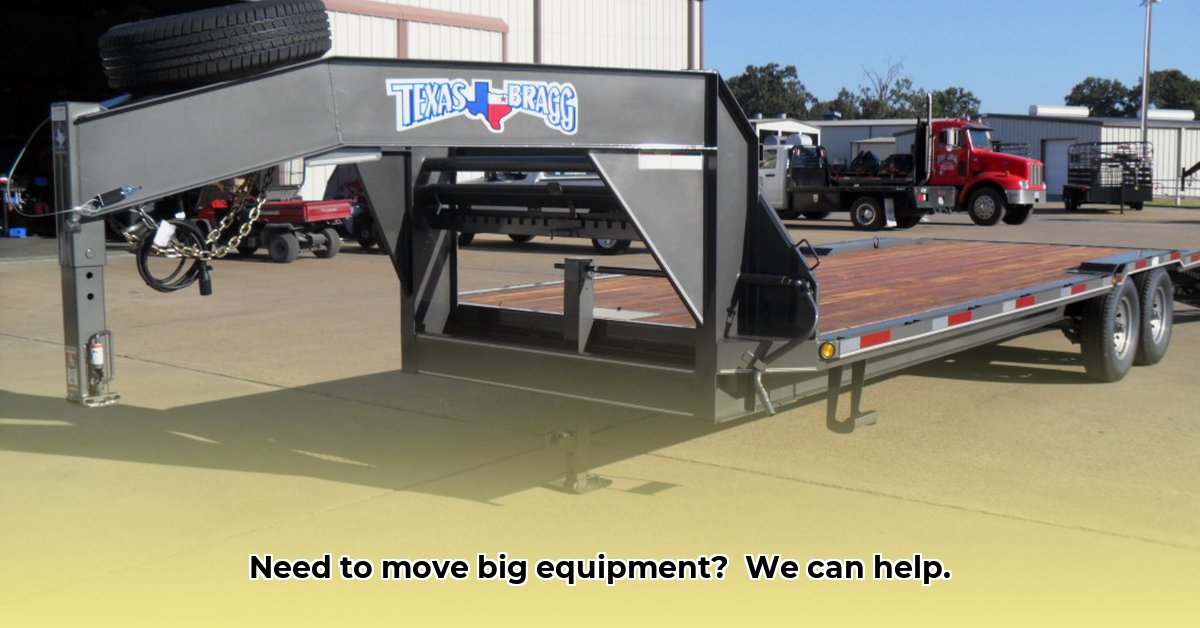
The tractor hauling industry faces numerous obstacles. Fuel costs fluctuate dramatically, impacting profitability and long-term planning. Strict regulations governing oversized loads, specialized licenses, and safety standards add layers of complexity. Moreover, experienced drivers, skilled in maneuvering these massive machines, are essential but increasingly scarce. Specialized trailers such as step-decks and removable gooseneck (RGN) trailers are crucial for securing these substantial loads during transport.
While the importance of efficient and safe tractor hauling is undeniable, precise data on market size, growth projections, and comprehensive safety metrics remains elusive. Further research is necessary to fully quantify these aspects of the industry.
Sustainability in Tractor Transportation: Embracing Green Solutions
The environmental impact of tractor hauling is substantial, primarily due to high fuel consumption and emissions. Transitioning towards sustainable practices is critical. Several promising avenues exist:
- Alternative Fuels: Biodiesel (a renewable fuel source), electricity, and hydrogen fuel cells offer potential reductions in greenhouse gas emissions. However, challenges remain regarding infrastructure development, cost-effectiveness, and long-term reliability.
- Route Optimization: Utilizing GPS technology and sophisticated mapping software can significantly reduce fuel consumption by identifying the most efficient routes. This simple yet impactful strategy offers immediate environmental benefits.
- Carbon Offsetting: Investing in projects that reduce greenhouse gas emissions elsewhere can help compensate for the unavoidable emissions from tractor transportation. This strategy enables companies to reduce their overall carbon footprint.
Actionable Strategies for Key Stakeholders
Sustainable change demands collaborative action. Here’s a breakdown of actionable strategies for each key stakeholder group:
For Tractor Transporters:
- Invest in fuel-efficient vehicles: Explore options such as hybrid or electric trucks to reduce fuel consumption.
- Implement driver training programs: Focus on fuel-efficient driving techniques to minimize fuel waste.
- Partner with renewable fuel suppliers: Source biodiesel or other sustainable fuel alternatives to lessen environmental impact.
For Farmers and Agricultural Businesses:
- Collaborate with sustainable transporters: Choose hauling services that prioritize fuel efficiency and environmental responsibility.
- Optimize equipment location: Consider minimizing the need for long-distance transportation by sourcing supplies locally.
- Utilize precision agriculture: Adopt tech-driven farming practices that require less heavy equipment.
For Government and Regulatory Bodies:
- Implement stricter emission standards: Enforce regulations that promote the adoption of cleaner transportation technologies.
- Invest in sustainable infrastructure: Develop charging stations for electric vehicles and support the development of biodiesel fueling networks.
- Provide financial incentives: Offer subsidies or tax breaks to encourage the use of more sustainable transportation options.
Navigating the Regulatory Landscape: Staying Compliant
The regulatory landscape surrounding tractor hauling is complex and constantly evolving. Understanding and complying with weight limits, size restrictions, safety standards for hazardous materials, licensing requirements, and environmental regulations is crucial. Proactive engagement with regulatory bodies and a commitment to staying informed about changes are vital to risk mitigation.
Risk Mitigation: A Proactive Approach
Several key risks exist within the tractor hauling industry. Understanding these risks and implementing proactive mitigation strategies is essential:
| Risk Factor | Mitigation Strategies |
|---|---|
| Fuel price volatility | Utilize fuel hedging strategies; explore long-term contracts with fuel suppliers; transition to alternative fuels. |
| Regulatory changes | Maintain continuous monitoring of evolving regulations; establish open communication with regulatory bodies. |
| Accidents and equipment damage | Invest in advanced safety features; implement rigorous driver training programs; secure comprehensive insurance. |
| Driver shortages | Offer competitive wages and benefits; create positive and supportive work environments. |
| Increased competition | Focus on niche markets; enhance customer service; develop a strong reputation for environmental sustainability. |
| Environmental concerns | Invest in carbon offsetting programs; explore technological advancements in emissions reduction. |
Conclusion: A Shared Vision for Sustainability
The future of tractor hauling hinges on a shared commitment to sustainability. Through collaboration among all stakeholders – farmers, transporters, manufacturers, and policymakers – we can navigate the challenges and build a more efficient, environmentally responsible, and profitable industry. This requires proactive planning, innovative solutions, and a collective dedication to a greener future for agriculture.